India’s direct tax system saw several important changes in 2025 as the government focused on making taxes simpler, reducing compliance work and boosting consumption. From a revamped tax regime to easier TDS rules, a longer tax holiday for startups and clearer capital gains rules, the reforms have touched almost every part of the economy.
New tax regime becomes the default
The biggest change was the government’s decision to make the new tax regime under Section 115BAC the default option. The basic exemption limit was raised to ₹4 lakh and the rebate under Section 87A was increased so that income up to ₹12 lakh is effectively tax free.
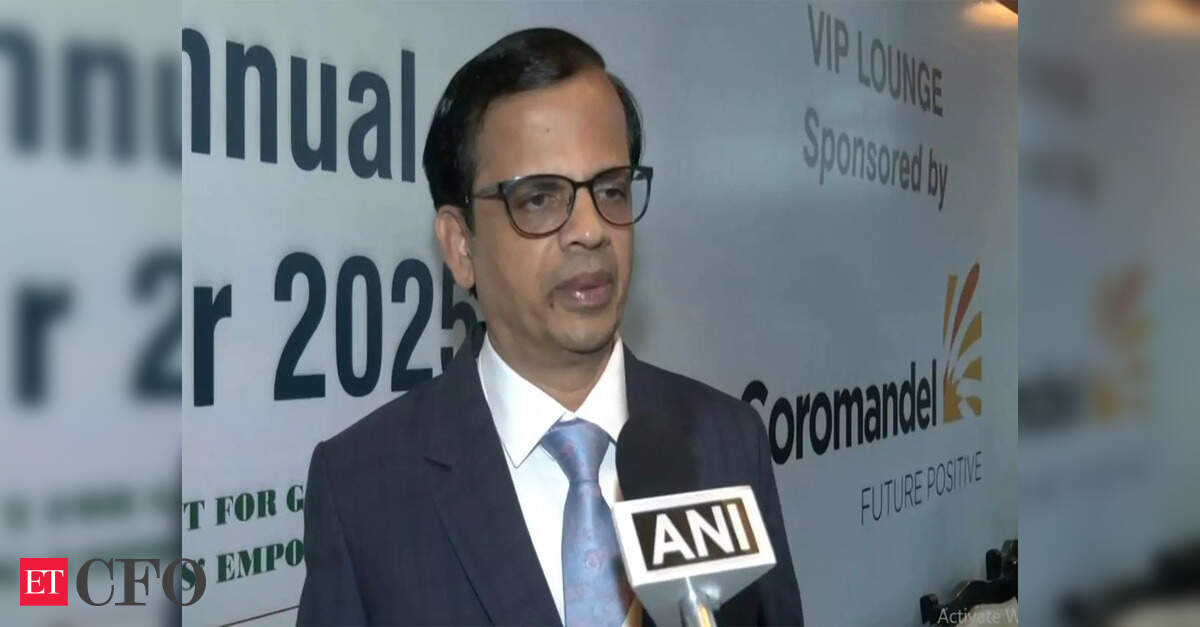
Expert, said the change is already visible in the economy. He said the simpler slabs and higher rebate have increased disposable income and have given a clear boost to sectors such as manufacturing and construction.
TDS rules made simpler
The Budget 2025 also brought significant reforms to the Tax Deduction at Source (TDS) provisions under the Income Tax Act, 1961, aiming to simplify compliance for businesses and individuals. TDS norms were rationalised and thresholds were increased, which has reduced the compliance load for small taxpayers and businesses. The presumptive taxation limit under Section 44AD was also raised to ₹3 crore, giving MSMEs more breathing space and lower administrative costs.
Longer tax holiday for startups
The government in the 2025 budget also extended the 100% profit deduction for eligible startups for three out of the first ten years of their life. This benefit is now available until April 1, 2030. The longer window is expected to help young companies manage early losses and attract investors.
Major reforms for IFSC units
The Finance Act 2025 introduced several incentives for the International Financial Services Centre. Offshore funds and ETFs can now relocate to IFSC without tax issues and non-residents trading in offshore or OTC derivatives in IFSC can enjoy tax exemptions. Units operating in IFSC will continue to get tax benefits until March 31, 2030.
There was also an important change in the deemed dividend rules. Loans between group companies are no longer treated as deemed dividends if the lending entity is a finance company or an IFSC finance unit. Ananthapadmanabhan said this has encouraged large groups to consider shifting treasury operations to India. He said the clarity on treasury loans removes a major worry for corporations.
Equalisation levy removed
Through the Finance Act 2025 the government also removed the equalisation levy on digital advertising from April 1, 2025. This has simplified tax requirements for global technology companies operating in India.
“Holistically the reforms this year have strengthened the base for a sustained demand-led growth which is also reflected in the surge in GDP growth at 8.2% in Q2 FY26,” Ananthapadmanabhan said.>
Visit www.cagurujiclasses.com for practical courses